
The incredible story of a man who gave up everything and found a way to save to live surrounded by nature, away from the chaos of the city.

Do you think it is impossible to go and live in the midst of nature sustaining oneself only with what it offers you? Even Christian, the protagonist of the story, was skeptical about it, but his dream was to ** leave the urban jungle and settle away from the hectic city life . A tough choice for someone ** used to all the comforts ** of modern life that come at a huge cost, so they had to ** develop ways to save .

This is because living in the midst of nature ** does not necessarily mean being a hermit . Christian in fact continued to carry out his private life like any other person, only some habits had to undergo changes in order to be able to ** save as much money as possible . Now he no longer had a fixed salary every month, so the only way was to think ** alternative methods ** to be able to do the things he always did.
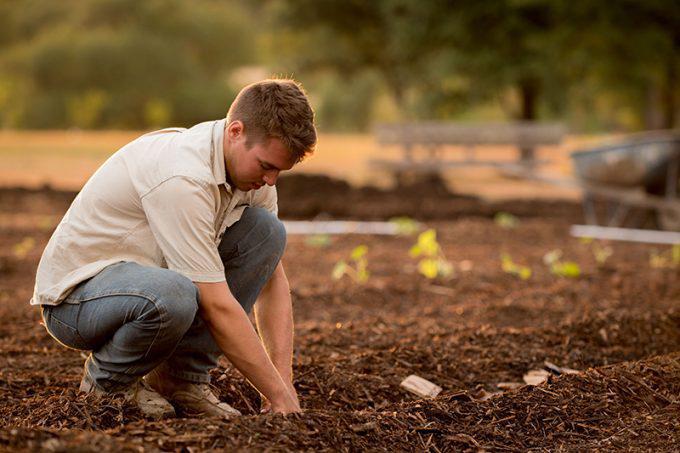
In fact, Christian currently owns a car, he must be able to buy things that he cannot produce such as flour and it may happen that he has to make ** unexpected expenses ** such as for medicines and for these things you need income. So what prompted Christian to ** abandon the old consumer life ** and embark on a new one dedicated to ** working the land and saving **? Let's read his story ...

Christian worked in a major company operating in the ** Finance sector . His work was based on staying in front of the computer all day and answering constant calls, all with the addition of the endless queues in the car that he found on the street, both outward and return. In short, it was a typical job of those who live in large cities and must ** maintain a certain standard of quality of life : they paid rent, bills, car installments and all the whims that a person may want to satisfy.
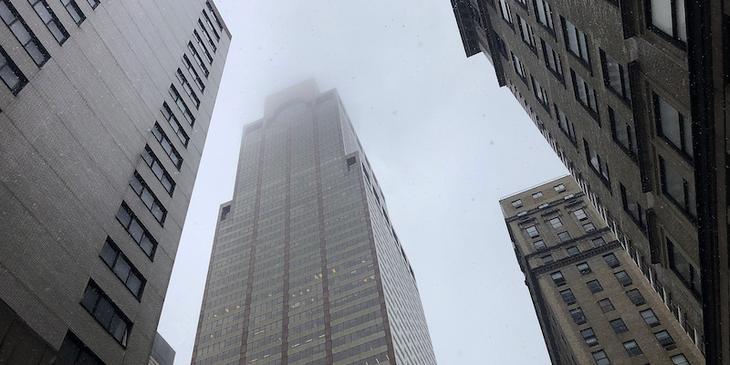
Christian lived in an apartment located just outside the city center, in a 15-storey residential building, inside which there were all the ** classic comforts: refrigerator, television, washing machine and much more . So he lived the way we all know, ** spending a lot and not paying too much attention to savings . But what prompted him to radically change his life? The decision was important, but not entirely taken independently ...
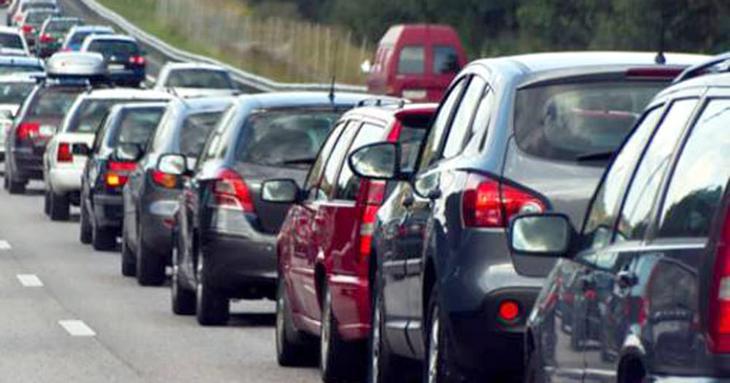
One morning Christian arrived at the office as usual, after the endless queue in the car that he found every morning, intent on doing his job as usual. This time, however, the classic day of work did not await him, on the contrary, a ** news arrived that displaced the whole office . A news that made Christian drop all certainty, which marked ** a turning point ** in his life, made up of work and consumption. That morning the company Christian worked for gave a disconcerting news to all its employees: ** due to bad investments the company had officially gone bankrupt .

The consequence was the dismissal of all workers, including Christian. This news came like a bolt from the blue in the life of the protagonist of the story, which was so serious as to knock down anyone. But Christian ** saw in this misfortune an opportunity to change **, as he had secretly always dreamed of, finally abandoning that ** consumerist lifestyle by dedicating himself entirely to nature ** and the tranquility it generates.
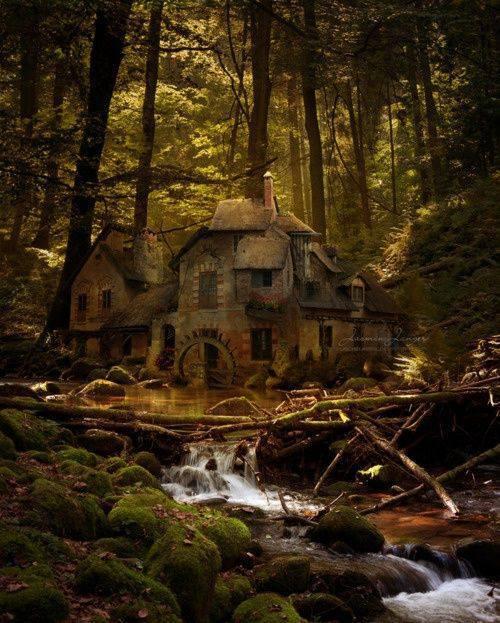
So Christian didn't hesitate a second and with the few savings he had put aside ** he bought an old cottage located in the woods . There he began his journey towards a more ** "slow" ** lifestyle, spending his days tending the vegetable garden, building artifacts and arranging the small farmyard that was located in the back of the house. Christian therefore was preparing to spend a life in complete tranquility away from the city, but obviously he could not afford all the essential services that he could not get on his own. ** So our protagonist strove to find all the ways to save .

Knowing that he would find it difficult to find some basic products such as electricity, Christian made a careful choice in buying a house: the one where he had moved had an old water mill adjacent to the house. With a little effort, he managed to get it started again and connect a generator to it in order to ** produce electricity ** sufficient for primary needs, such as keeping a refrigerator and other small appliances running. Despite this, ** to save energy for emergencies , Christian used to not always turn on the light bulbs in the evening but used ** candles . But that's not all ...
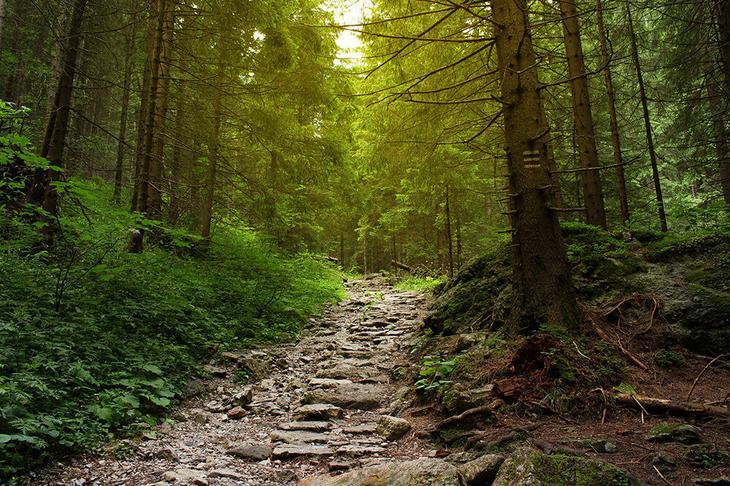
Obviously, to ** limit expenses ** Christian didn't often go to town, to avoid the high cost of living. He therefore limited his outings with friends and to do typical activities that are done in the city, such as going to the cinema, to the restaurant or to the stadium. This is because the money could be used for some tasks such as ** medicines ** in the case of illnesses, or ** petrol ** for the car that he still owned in order to be able to perform some errands and have a means to reach the country more near. ** But how did he make money without having a steady job? ** How long could it have lasted under these conditions?
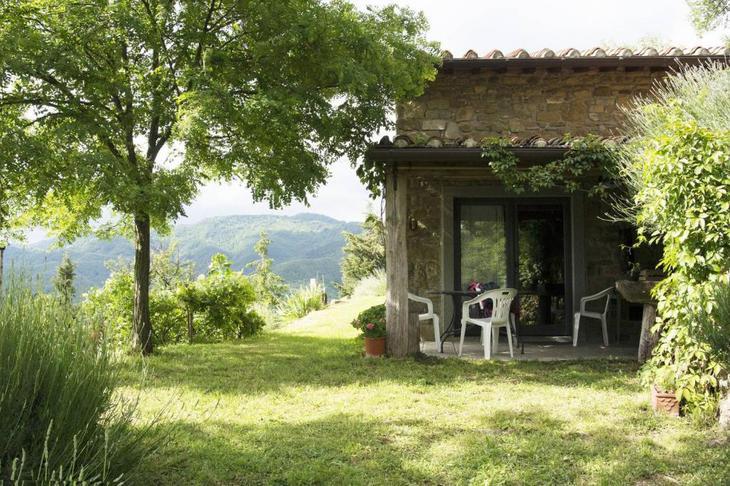
Christian knew he could live on very little, but ** he had to find a way to scrape together some money ** every now and then to be sure he could face unexpected expenses. Thinking about this he had an idea: the cottage he had bought included a small barn that had long since been disused. Mario was ready to create a small house that could accommodate a couple of people at a time up to a maximum of four. ** This house was rented for short periods ** to those who wanted to spend short stays in contact with nature away from the urban chaos.
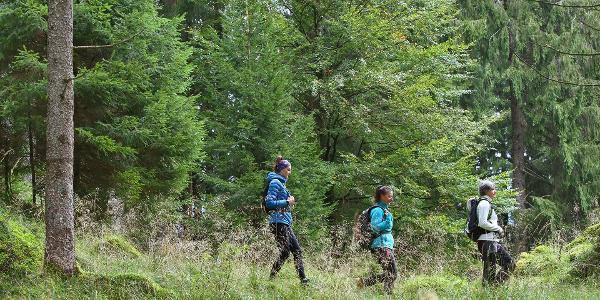
Christian entertained their guests by involving them in the rural activities that he used to do every day and ** organizing excursions into the woods ** to show the natural beauty he could offer. Interested parties paid for the stay and so Christian could ** collect the money needed to buy essential things ** which he couldn't get himself. What is certain is that what he was earning was not a huge amount, so ** he had to think about how to save this money **.

The money earned from renting the barn was used to cover those expenses that were necessary. With the electricity produced by the water mill removed, some things remained that had to be paid for with money. One of these was petrol for the car, which, however, was used only if necessary to save fuel. ** In fact, the cost of gasoline is one of the most important at the end of the month for those who live and move around the city **, so Christian greatly limited the use of the car. But this wasn't his only way of not spending too much money.

Christian knew well that the ** consumption of meat involves a huge ** cost for one person. In fact it is one of the most expensive foods, moreover it had neither the space nor the ability to manage animals, except for a few hens that were present in the hen house, and therefore could not get it if not buying it. So our protagonist made a reasoned decision for both health and savings reasons: ** he became a vegetarian **. In fact, Christian had a garden in front of his house, which produced enough vegetables to feed him, but obviously he could not produce everything he needed ...
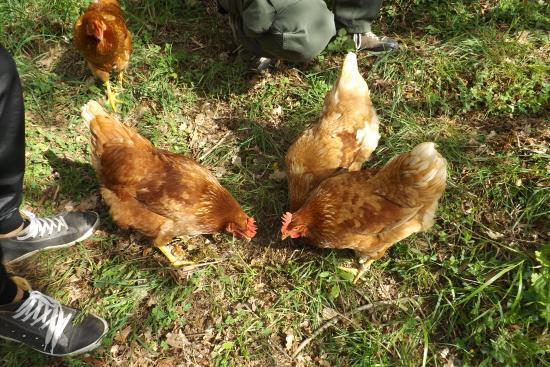
The garden allowed Christian to produce a large amount of vegetables, which he kept in the refrigerator or with other homemade methods such as preservation in oil or salt, ** organizing each meal to avoid any waste . In addition, every morning he could take advantage of the fresh eggs that his hens laid, with which he cooked omelettes and many other dishes. What he could not produce, such as flour, milk and other foodstuffs, he bought them in the city, but ** self-production allowed him to save a lot of money on food .

Christian had also adopted the ** “no detergent” ** policy. In fact, to do the cleaning, both for the house and for washing clothes, ** she didn't use the products she found at the supermarket but natural remedies . So Christian had found a way to make soap with what he found in the woods, or he used baking soda or vinegar for cleaning, for example, ** which cost significantly less than detergents and do the exact same job . The stream that ran next to the house, the same one he used to produce energy, was a ** great source of water ** for him to use in cleaning, saving money on that cost too.
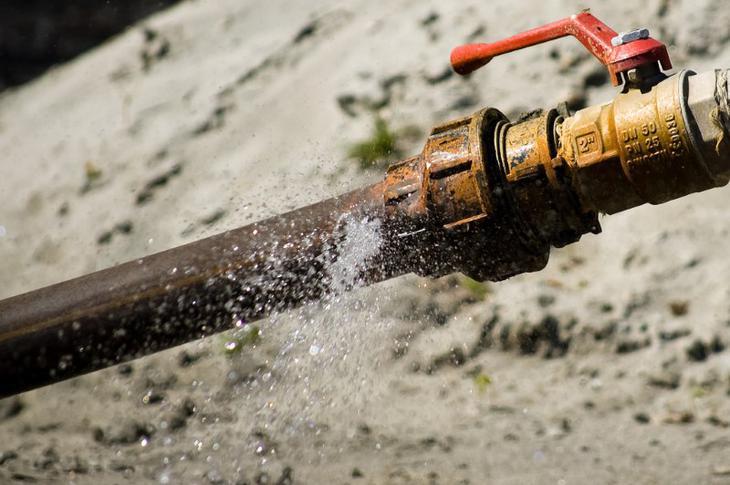
Christian had found a ** way to save even on minor home repairs . In fact, he has always been very good at manual jobs and small repairs, so he took advantage of this gift to avoid the maintenance costs of breakdowns that happen to everyone in the house. From the leaking pipe, to the door that does not close to the car that does not start: Christian faced these problems in complete autonomy, ** thus avoiding the waste of resources in calling a specialist . Furthermore, the simple life he led allowed him not to rely on too many appliances or other objects that tend to break after some time due to wear, so he rarely had to intervene to make repairs.

Christian has found himself from a situation typical of many of us to a radically opposite one. He went from having a ** stable job ** and living in the city, with all the associated expenses, to living in the middle of a forest, getting most of the essentials naturally ** without having to spend a lot of money. money and saving on everything ** what you could only get by buying it. Now Christian feels happy with the choice he made, because he had the ** courage to abandon a life that did not satisfy him ** and started a life dedicated to nature ** without having to be completely a hermit **, simply saving on all that he considered superfluous.